
AI Is Changing How Customers Find You. Is Your Website Ready?
What AEO (answer engine optimization) means in plain terms, and what actually makes a small business website legible to AI assistants.
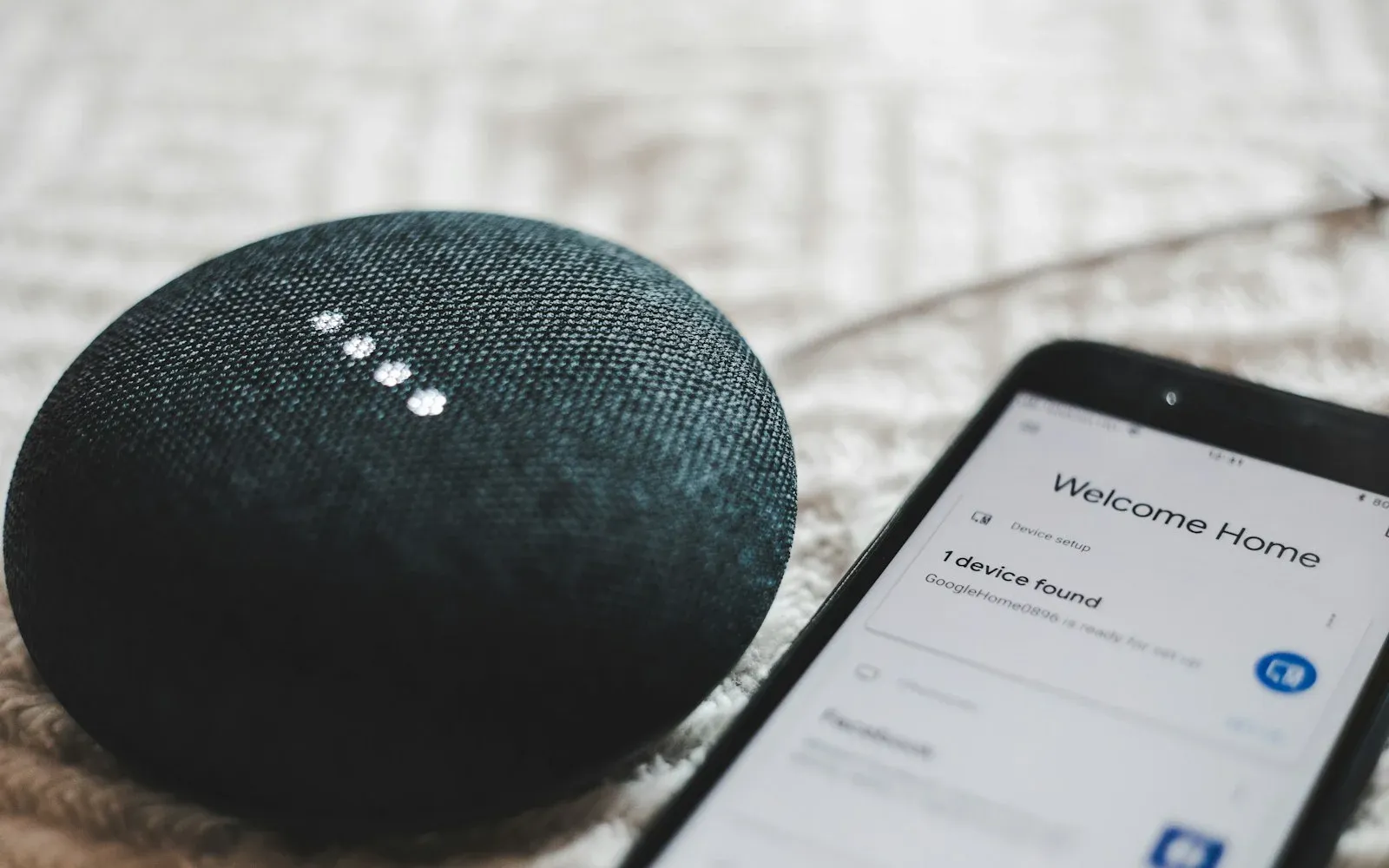
A growing number of searches never produce a list of blue links anymore. Someone asks ChatGPT, Perplexity, or Google’s AI Overview a question, and gets a direct answer, sometimes with a business named in it, sometimes not. If a website isn’t built in a way those systems can read cleanly, it’s effectively invisible to that growing slice of search, no matter how it ranks in traditional results.

This isn’t a replacement for SEO, it’s an extra layer on top
Good old-fashioned SEO (fast pages, clear headings, real content that answers a real question) is still the foundation, and it still matters. What’s changed is that an AI assistant doesn’t browse a page the way a person does. It’s trying to extract specific facts: what does this business do, where is it located, what does it cost, is it legitimate. If those facts are buried in a paragraph of marketing language instead of stated plainly, the assistant either guesses or skips the business entirely.
That’s not hypothetical. Ask an AI assistant about a small, real business by name and there’s a decent chance it either has nothing to say or, worse, confuses it with an unrelated company that happens to share part of the name. The fix isn’t paying for ads. It’s giving the assistant something unambiguous to read.
What actually helps
A few concrete things make a real difference, and none of them require inventing marketing claims:
- Structured data (schema.org markup). This is a layer of machine-readable facts sitting alongside the normal page content: business name, address, service area, hours, the services actually offered. It’s the same information a visitor sees, just also written in a format a machine doesn’t have to guess at.
- Saying things plainly, once. A page that clearly states what a business does and where it operates, in ordinary sentences, gives an AI system something solid to quote. Vague taglines don’t.
- Being mentioned consistently elsewhere. A Google Business Profile, a LinkedIn page, a Facebook page, all agreeing on the same business name and details, is one of the strongest signals that an entity is real rather than a site vouching for itself.
- Pages that actually answer a question. The same content that helps a visitor (clear service pages, real answers to real questions like the ones on this blog) is exactly what an AI system pulls from when it’s building an answer.
What doesn’t help
Keyword stuffing, hidden text, and anything that looks like it’s trying to trick a crawler rather than inform a reader. AI systems are generally better at spotting that kind of thing than older search engines were, and getting caught gambling on it costs more than it gains.
Where this sits for a small Niagara business
Most small businesses are not competing with national chains for a generic search term. They’re trying to be the obvious, trustworthy answer when someone nearby asks a specific question: “is there a web designer in St. Catharines,” “plumber open now near me,” “best patio in Niagara-on-the-Lake.” Being legible to an AI assistant matters more, not less, at that scale, because the assistant is often doing the shortlisting that used to happen by scrolling through ten results.
This is part of what every site built here is set up for from the start: real structured data, consistent facts across the places a business is listed, and pages that answer the actual question someone is asking instead of talking around it. If an existing site was built before any of this was a consideration, it’s usually fixable without a full rebuild. Worth a conversation either way.